An index of cognitive skills, and how to track them honestly
Filter training exercises by the ability they work on, see how the twenty-three skills roll up into five domains, and read what repeated measurement can really show.
Cognitive skills index
61 training exercises from CogniFit, indexed by the cognitive skill each one works on. Choose a skill to filter.

Candy Factory
Auditory short-term memory, Visual short-term memory, Recognition, Short-term memory

Piece Making
Visual short-term memory, Visual perception, Recognition

Water Lilies
Planning, Working memory, Visual short-term memory, Visual memory, Short-term memory

Mouse Challenge
Shifting, Hand-eye coordination, Visual scanning

Reaction Field
Shifting, Inhibition, Response time

Words Birds
Updating, Naming, Visual scanning

Word Quest
Naming, Visual scanning, Visual perception, Width of field of view

Mahjong
Spatial perception, Visual scanning, Visual perception

Crossroads
Divided attention, Updating, Estimation

Jigsaw 9
Contextual memory, Planning, Visual short-term memory, Spatial perception, Visual memory

Fuel a Car
Divided attention, Response time, Processing speed

Butterfly Hunter
Hand-eye coordination, Response time, Spatial perception

Sudoku
Inhibition, Auditory short-term memory, Planning, Spatial perception

Shore Dangers
Focused attention, Hand-eye coordination, Divided attention

Math Twins
Focused attention, Spatial perception, Visual scanning

Minus Malus
Shifting, Working memory, Processing speed

Numbers line
Visual scanning, Short-term memory, Processing speed

Lane Changer
Shifting, Response time, Estimation

Dragster Racing
Updating, Response time, Estimation

Traffic Manager
Divided attention, Updating, Planning, Estimation

Tennis Bomb
Hand-eye coordination, Response time, Visual perception

Tennis Target
Inhibition, Response time, Estimation

Tennis Bowling
Shifting, Spatial perception, Estimation

Twist It
Focused attention, Planning, Visual scanning, Visual perception, Width of field of view

Neuron Madness
Focused attention, Inhibition, Visual scanning

Drive me crazy
Auditory perception, Shifting, Inhibition, Contextual memory

Visual Crossword
Working memory, Naming, Visual perception
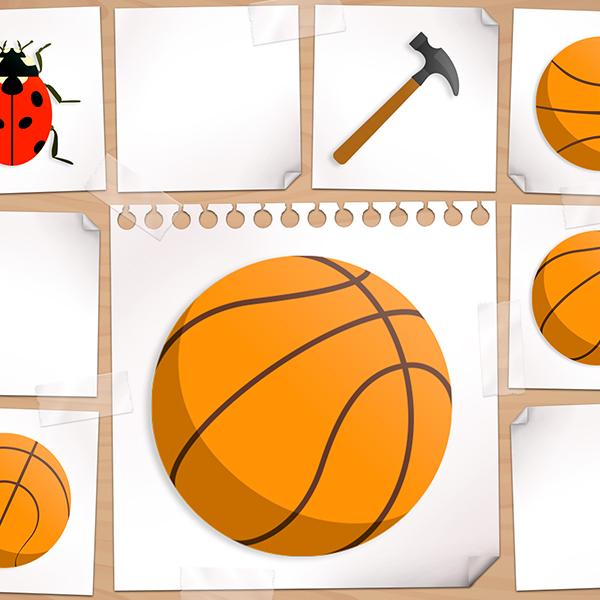
Match it!
Inhibition, Visual perception, Processing speed

Slice and Drop
Planning, Spatial perception, Estimation

Fresh Squeeze
Updating, Planning, Spatial perception

Perfect Tension
Updating, Planning, Spatial perception

Bee Balloon
Shifting, Hand-eye coordination, Response time

Gem Breaker
Hand-eye coordination, Divided attention, Estimation

Gem Breaker 3D
Response time, Spatial perception, Estimation

Star Architect
Focused attention, Planning, Spatial perception

Cube Foundry
Planning, Spatial perception, Processing speed

Mandala
Planning, Visual short-term memory, Visual perception
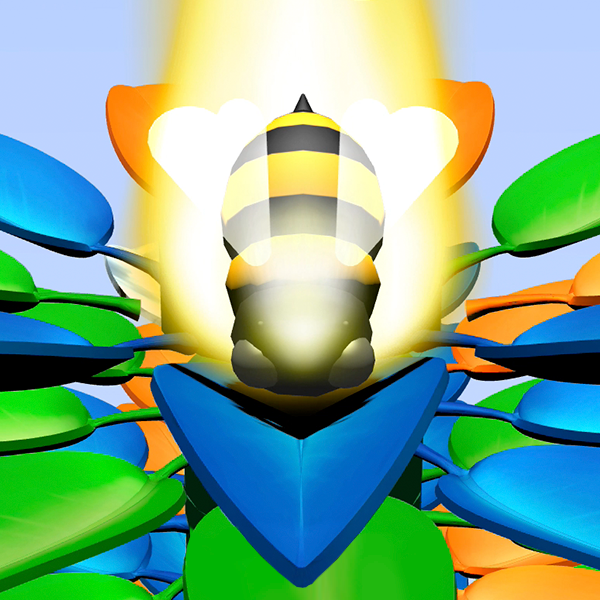
Color Bee
Hand-eye coordination, Response time, Spatial perception

Digits
Working memory, Visual scanning, Processing speed

Penguin Explorer
Inhibition, Planning, Spatial perception

Puzzles
Working memory, Spatial perception, Visual scanning, Visual perception

Candy Line Up
Updating, Planning, Working memory, Processing speed
Happy Hopper
Inhibition, Response time, Estimation

3D Art Puzzle
Working memory, Spatial perception, Visual perception

Color Rush
Shifting, Updating, Response time, Estimation

Melody Mayhem
Auditory perception, Auditory short-term memory, Recognition
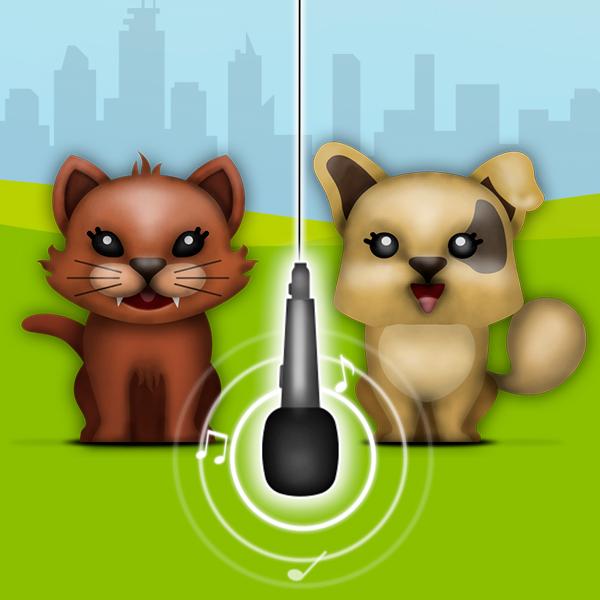
Find Your Pet
Auditory perception, Focused attention, Inhibition, Spatial perception, Visual scanning

Scrambled
Auditory perception, Focused attention, Visual perception
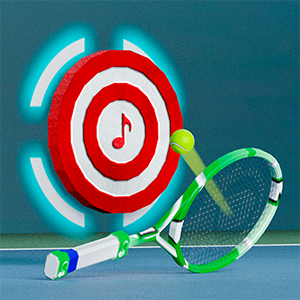
Melodic Tennis
Auditory perception, Spatial perception, Recognition

Math Madness
Auditory short-term memory, Visual memory, Recognition, Short-term memory
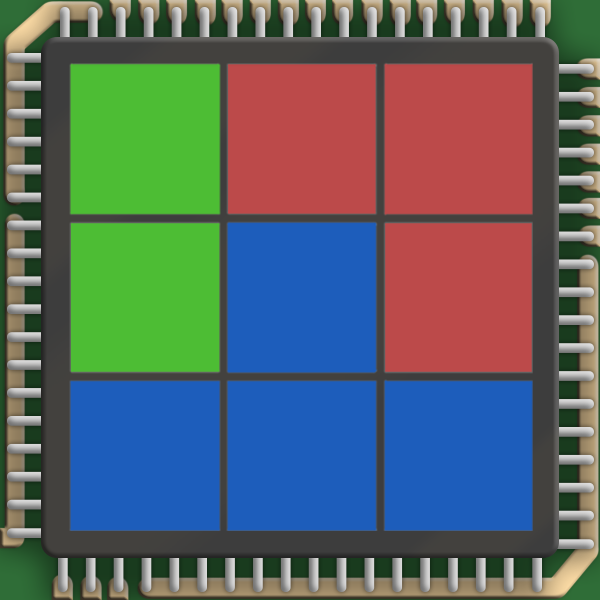
Color Frenzy
Focused attention, Visual perception, Processing speed, Estimation
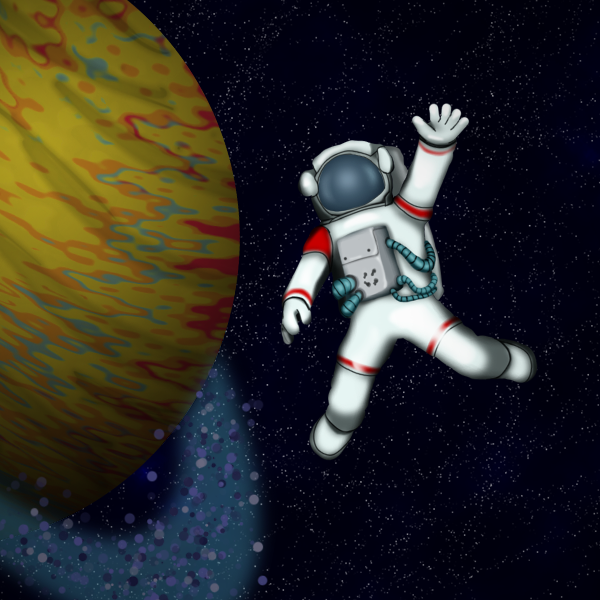
Space Rescue
Response time, Contextual memory, Spatial perception, Estimation
Neon Lights
Hand-eye coordination, Visual short-term memory, Spatial perception, Processing speed

Treasure Island
Focused attention, Updating, Planning, Spatial perception, Short-term memory

Synaptix
Updating, Planning, Working memory, Visual perception

Ant Escape
Inhibition, Updating, Spatial perception, Processing speed, Estimation

Robo Factory
Shifting, Updating, Planning, Spatial perception, Processing speed
Solitaire
Updating, Planning, Short-term memory

Crystal Miner
Planning, Spatial perception, Estimation

Chess Puzzle
Updating, Planning, Working memory, Spatial perception, Processing speed

Chess
Updating, Planning, Working memory, Spatial perception, Processing speed
The exercises named on this page are part of the CogniFit platform and are used here with permission. They are cognitive stimulation activities for general use. They are not a medical device, they do not diagnose or treat any condition, and a score from any of them is not a clinical finding. If you are worried about your memory or concentration, speak to a health professional.
The five domains everything sorts into
| Domain | What sits underneath it |
|---|---|
| Memory | Short-term, working, visual, auditory and contextual memory, recognition, naming |
| Attention | Focused and divided attention, inhibition, shifting, updating |
| Reasoning | Planning, estimation, processing speed |
| Perception | Visual, auditory and spatial perception, visual scanning |
| Motor | Hand-eye coordination, response time |
Tracking cognition over time, without fooling yourself
The problem with repeated cognitive measurement is that people get better at the test before they get better at anything else. Practice effects are large on the first few repetitions of almost any task, and they are strongest on exactly the tasks that feel most like games. Anyone tracking a score over weeks is therefore watching two things move at once, and telling them apart is the whole difficulty.
What helps
- Measure under the same conditions: same time of day, same device, same sleep debt if you can manage it. Time of day alone moves attention scores more than most interventions do.
- Use a longer interval between measurements than feels natural. Weekly is usually too often for anything except tracking practice.
- Watch the profile across domains rather than the headline number. A single figure hides the fact that one component may be improving while another declines.
- Expect a band, not a point. Day-to-day variation on the same person is larger than most real changes you are hoping to detect.
- Note what else changed. Sleep, illness, medication, stress and caffeine account for a great deal of the movement people attribute to training.
What cognitive training does and does not show
The evidence is clearest for improvement on the trained task and on tasks closely resembling it. It is weaker and more contested for transfer to unrelated abilities or to everyday function, and that debate is live in the research literature rather than settled in either direction. The honest summary is that practising a cognitive task reliably improves performance on that cognitive task, and claims beyond that deserve to be read carefully.
Common questions
What are the main cognitive domains?
Most frameworks use memory, attention, reasoning, perception and motor function as the top level, with individual skills such as working memory, inhibition, shifting and processing speed sitting underneath them.
Does brain training improve general intelligence?
The evidence is clear that practice improves performance on the trained task and on very similar tasks. Transfer to unrelated abilities or to everyday function is weaker and actively debated in the research literature.
How often should I measure cognitive performance?
Less often than most people do. Practice effects are largest on the first few repetitions, so weekly measurement mostly tracks familiarity with the task rather than any underlying change.
Why do my scores move so much day to day?
Sleep, time of day, caffeine, stress and illness all shift performance on these tasks, often by more than any intervention would. That is why a result is better read as a band than as a point.